


Living in a cold-weather climate presents unique challenges for homeowners, especially when it comes to maintaining comfort without skyrocketing energy bills. Energy efficiency is not just about saving money—it’s about creating a sustainable, warm, and healthy living environment. With rising energy costs and growing environmental concerns, homeowners are increasingly looking for practical solutions to improve insulation, heating systems, and overall home performance. This blog explores proven strategies to maximize energy efficiency in cold-weather homes, helping you stay cozy while reducing your carbon footprint.
Smart Insulation and Weatherproofing for Cold Climates 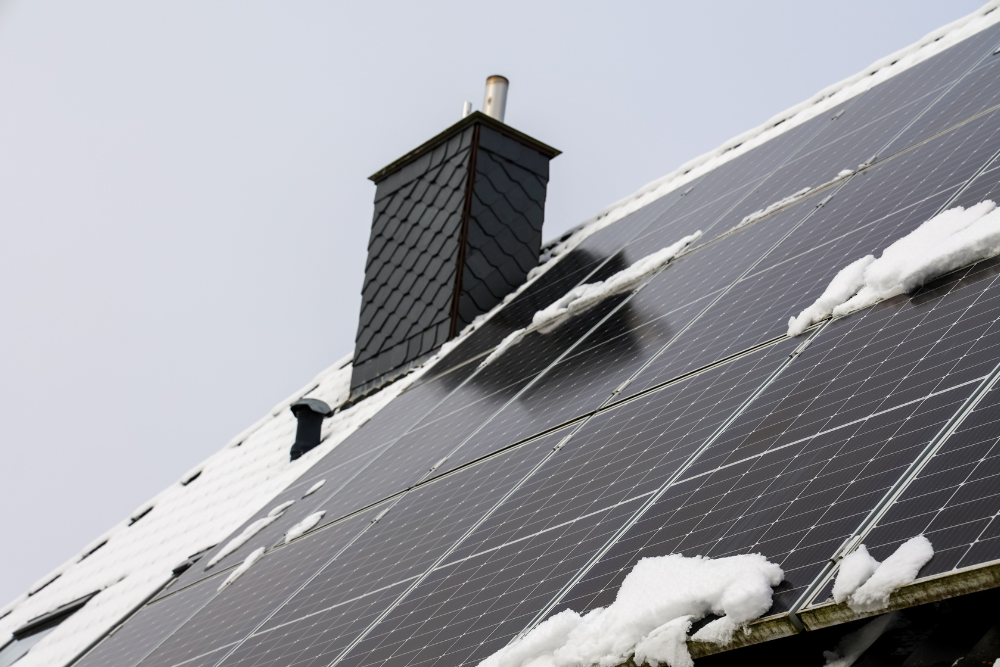
Insulation is the backbone of energy efficiency in cold-weather homes. Without proper insulation, heat escapes quickly, forcing heating systems to work harder and consume more energy. Homeowners should focus on upgrading attic insulation, sealing gaps around windows and doors, and installing weatherstripping to minimize drafts. High-performance materials such as spray foam or rigid foam boards can significantly improve thermal resistance. Additionally, double- or triple-pane windows with low-emissivity coatings help retain heat indoors while blocking cold air infiltration. These upgrades not only enhance comfort but also reduce heating costs by up to 30%.
Energy-Efficient Heating Systems and Smart Technology 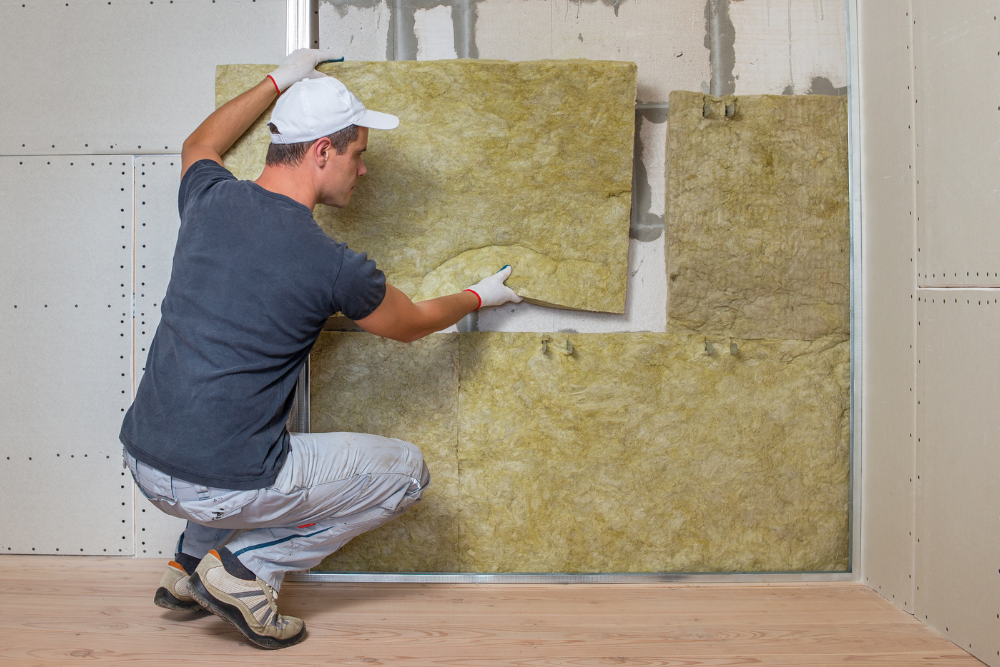
Heating systems account for the largest share of energy use in cold-weather homes. Upgrading to energy-efficient furnaces, boilers, or heat pumps can make a substantial difference. Modern heat pumps, particularly air-source and ground-source models, are designed to perform well even in freezing temperatures. Pairing these systems with programmable thermostats or smart home technology allows homeowners to optimize heating schedules, ensuring warmth when needed while conserving energy during off-peak hours. Zoning systems also provide targeted heating, reducing waste in unused rooms. Investing in these technologies not only lowers utility bills but also increases long-term property value.
Sustainable Practices and Renewable Energy Integration 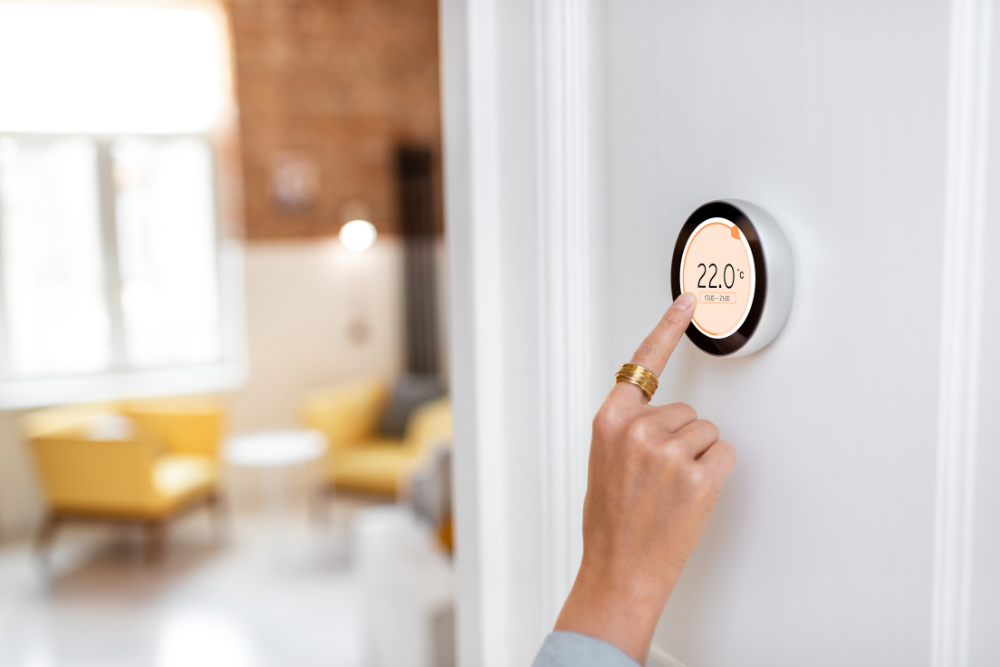
Beyond insulation and heating systems, homeowners can adopt sustainable practices to further improve energy efficiency. Installing solar panels, even in cold climates, can offset electricity costs and provide renewable energy year-round. Energy-efficient appliances, LED lighting, and water-saving fixtures contribute to overall household efficiency. Simple lifestyle changes, such as layering clothing indoors, using heavy curtains, and maintaining regular HVAC servicing, also play a role in reducing energy consumption. By combining renewable energy with smart home upgrades, cold-weather homeowners can achieve a balance of comfort, savings, and sustainability. 
Energy efficiency in cold-weather homes is achievable through a combination of insulation improvements, advanced heating systems, and sustainable practices. These strategies not only reduce costs but also enhance comfort and environmental responsibility. If you’re ready to explore energy-efficient upgrades for your home, connect with a trusted realtor or energy consultant today to discover properties and solutions tailored to your needs.